
Review · HALF-DAY
Half-Day Private Tour to Alzhir Camp from Nur-Sultan
Step into Kazakhstan’s darkest chapter. This private half-day trip from Nur-Sultan, also called Astana, takes you about 40 kilometers west to Alzhir, the former Soviet camp for wives of men labeled traitors to the Motherland. The museum and memorial make the visit serious but worthwhile, while the drive across the open Kazakh steppe adds a strong sense of place.
I like the private transport and flexible format, since you travel with only your own group and can request a stop in the village of Malinovka. I also like the clear historical focus, especially the prison carriage, barrack, film, and Wall of Memory. The main drawback is the amount of driving: with about two hours on the road and two hours at the camp, the experience can feel brief if you want a long museum visit.
In This Review
- Key Points to Know Before You Go
- Why Alzhir Matters
- The Road West Across the Kazakh Steppe
- Arriving at the Memorial Museum
- The Stalin-Era Prison Carriage
- The Wall of Memory and the Former Barrack
- How the Private Format Changes the Visit
- Is $140 Per Person Good Value?
- Timing, Weather, and Practical Comfort
- Who Should Book This Visit?
- Final Verdict: Book It for History, Not Spectacle
- FAQ
- How far is Alzhir from Nur-Sultan?
- How long does the tour last?
- Is admission to the Alzhir museum included?
- Is this a private tour?
- Is an English-speaking guide available?
- Is lunch included?
- Can I cancel for a full refund?
Key Points to Know Before You Go
- Alzhir held more than 18,000 prisoners: The camp operated from 1938 to 1953 and was the largest women’s camp in the Soviet Union.
- The Wall of Memory lists more than 7,000 women: It gives the memorial a personal scale beyond the larger political story.
- You travel in a private, air-conditioned vehicle: Pickup and hotel return are included, along with bottled water, onboard WiFi, and all fees.
- The visit lasts about four hours: Expect roughly one hour each way by road and about two hours at the memorial complex.
- English-speaking guides are available: Guides named Kamilla and Timon received especially warm praise for making the history clear.
- The price is $140 per person: This is easier to justify for a small group, since the tour is private and group discounts may be available.
Why Alzhir Matters
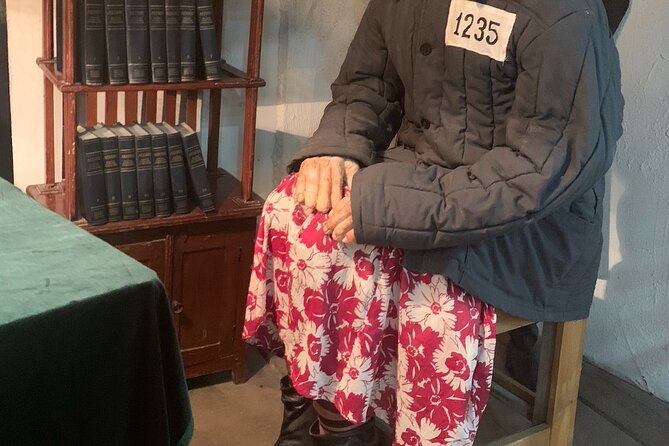
Alzhir is the commonly used name for the Akmola camp for wives of traitors to the Motherland. The name comes from the Russian abbreviation АЛЖИР. Behind that dry official label was a system that punished women for the alleged crimes of husbands, fathers, or other relatives.
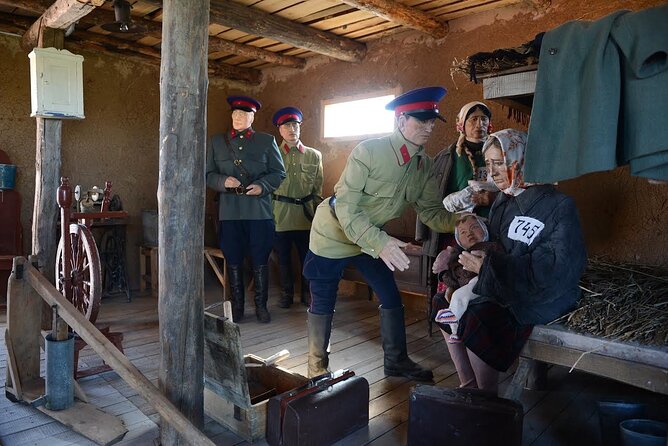
The camp opened at the beginning of 1938, during Stalinist political repression, and operated until 1953. More than 18,000 people passed through Alzhir according to incomplete records. Some died there, and many more lived through forced labor, separation from family, harsh conditions, and the permanent damage caused by being branded an enemy of the state.
That context matters when planning your visit. This is not a light sightseeing stop or a museum you rush through between grand monuments. It asks for attention and a little quiet. The subject is painful, but the memorial gives you a direct way to understand a part of Soviet history that can be difficult to grasp from a textbook.
Alzhir was also one of the three major islands associated with the Gulag Archipelago, a phrase used to describe the network of Soviet prison and labor camps. The site helps connect national policy with individual lives. You see how a vast political system reached into homes and families.
More things to do in Astana:
- Astana City Tour: Private Full Day with Lunch and Comfort Pickup
★ 5.0 · 98 reviews - Astana: Burabay Oasis Private Tour+ Lunch+ Pickup+ Bonus Activity
★ 5.0 · 75 reviews - Private Half-Day City Tour of Astana in Comfort
★ 5.0 · 46 reviews
The Road West Across the Kazakh Steppe
The journey begins with pickup in Nur-Sultan. From the city, you head west toward the memorial complex. The distance is about 40 kilometers, though the stated travel time is approximately one hour each way. A past outing took about 40 minutes in one direction, so your actual time on the road can vary.
I see the drive as part of the experience, not just a transfer. The city gives way to the open Kazakh steppe, with long views and very little visual clutter. You get a better sense of the setting in which the camp operated: remote, exposed, and far from the political center.
The private vehicle is air-conditioned, which matters during Kazakhstan’s warmer months and also makes the trip more comfortable in poor weather. Bottled water is included. WiFi is available onboard, though the value here is less about staying connected than having a calm ride before and after a difficult museum visit.
The provider can arrange stops in Malinovka by request. Since the details of those stops are not fixed, ask about them when booking if you want to add village time. Keep in mind that any extra stop may reduce the time available at Alzhir or make the outing longer than the advertised four hours.
Arriving at the Memorial Museum
The main stop is the Alzhir Memorial Museum of Victims of Political Repressions and Totalitarianism. Admission is included, so you do not need to budget for a separate entrance ticket.
The visit lasts about two hours. That is enough time for a focused introduction to the camp, its prisoners, and the wider period of repression. It is not an all-day museum experience, so you should arrive ready to concentrate on the central exhibits rather than expect every detail of the site to receive equal attention.
A film is shown at the museum, and it can be especially helpful before walking around the grounds. It gives the visit a narrative structure and helps explain the camp’s purpose and history. If your guide is Kamilla or Timon, you can expect an English-speaking explanation of the site. Their approach was praised for making the complicated history easier to follow.
The museum is most useful when you pay attention to the human stories behind the official terms. The phrase wives of traitors sounds impersonal, but the memorial shows what that label meant in practice. Women were imprisoned because of their family connections, not because the name of the camp describes a conventional criminal sentence.
The Stalin-Era Prison Carriage
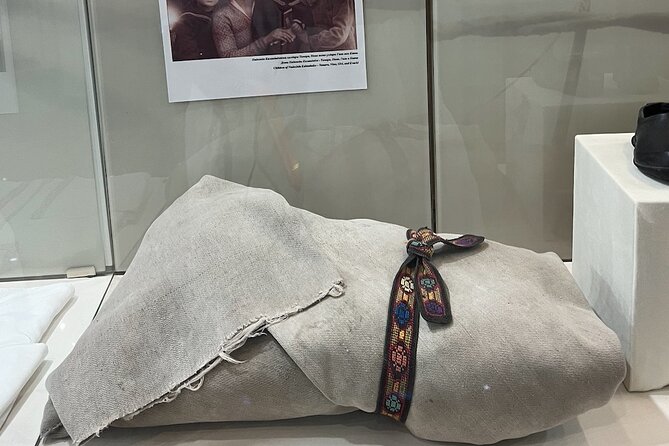
One of the most striking objects is a train carriage used during Stalin’s time to transport prisoners. It is a simple object, but that is part of its power. A carriage like this turns the scale of repression into something physical and immediate.
You can picture the first stages of prisoners arriving at the newly opened camp in 1938. The train was not simply a means of transport. For many women, it marked the forced break from home, family, work, and ordinary life.
The carriage also gives the museum a strong starting point. Before reading dates and figures, you see the mechanism that brought prisoners into the camp system. It is a reminder that Alzhir was connected to a much larger network of arrests, transfers, and labor camps across the Soviet Union.
The experience is not built around flashy displays. Its impact comes from plain objects and restrained memorial spaces. If you prefer fast-paced sightseeing, the quiet pace may feel slow. If you want a place that lets the evidence speak without entertainment layered on top, this is a strong part of the visit.
A few more options to weigh up in Nur Sultan
- Astana: KarLag and Karaganda – Private USSR history tour
★ 5.0 · 21 reviews - Astana City Tour: Authentic Private Full Day with Lunch + Pickup
★ 5.0 · 19 reviews - Private Yurt Tour with Horses: Immerse into Kazakh Culture
★ 5.0 · 16 reviews - Guided Night Time Tour of Astana in a Private Car
★ 5.0 · 8 reviews
The Wall of Memory and the Former Barrack
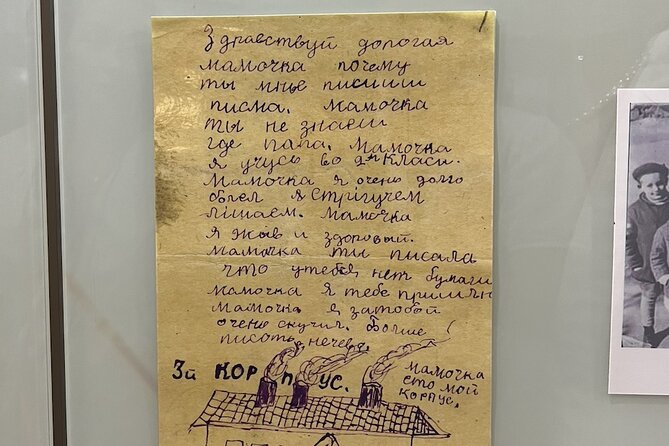
The Wall of Memory carries the names of more than 7,000 women who spent time at Alzhir. This is likely the most personal part of the complex. A number larger than 18,000 can be difficult to absorb, but names on a wall make the story more specific.
Take time here. The wall is not something to glance at on the way to the next exhibit. It represents individual people who were reduced to case files and political labels by the Soviet system. The memorial restores some measure of identity.
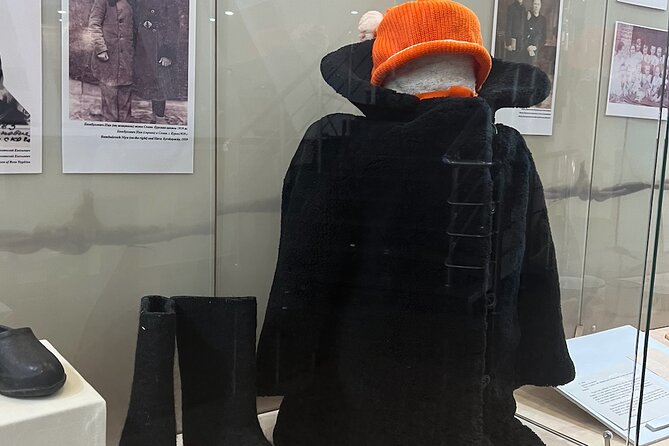
The former barrack shows where women prisoners lived. Even without elaborate description, the building helps you move from broad political history to the daily reality of imprisonment. The carriage explains arrival. The wall names the people. The barrack suggests the conditions of life after arrival.
Other courtyard exhibits add to this outdoor portion of the visit. The complex combines indoor interpretation with objects and structures spread around the grounds, so wear shoes that are comfortable for walking. No special physical requirement is stated, and most people can take part, but the visit does involve moving between buildings and exhibits.
How the Private Format Changes the Visit
This is a private activity, so only your group participates. That gives you more control than a large coach tour. You can ask questions as they arise, spend a little longer with an exhibit, or keep the visit moving if the subject becomes emotionally heavy.
A private guide also matters at a memorial site. The camp’s name, dates, and political terms can be confusing if you are encountering them for the first time. A good guide can explain the difference between the camp’s official purpose and the human reality behind it.
Kamilla received particular praise for explaining both the camp and Kazakhstan more broadly. Timon was also praised for clear explanations, with the film at Alzhir noted as a useful part of the visit. Guide assignment is not guaranteed, so book this as an English-guided experience rather than expecting one specific person.
The format suits couples, families with older children, friends, and small groups who prefer a focused outing. It is less suited to someone who wants a casual morning outside the city or a tour packed with several unrelated attractions. Alzhir is the reason for the trip, and the schedule gives it most of your time away from the road.
Is $140 Per Person Good Value?
At $140 per person, this is not the cheapest way to reach a nearby museum. The price makes more sense when you count what is included: private transportation, air-conditioning, pickup, hotel return, bottled water, WiFi, entrance fees, and a guide.
The private arrangement is especially important for value. A solo visitor pays a high per-person cost, while two or more people may find the service easier to justify. Group discounts are offered, so ask for the current rate if you are booking for several people.
You also avoid the work of arranging transport to a site outside the city. That matters in Nur-Sultan, where the memorial is close enough for a half-day trip but not necessarily convenient to reach on your own. The provider handles the driving and return transfer, leaving you free to focus on the museum.
Lunch is not included. Since the outing lasts about four hours, this is usually a manageable omission, but plan around it. You can schedule the trip so that you eat before pickup or return to the city in time for a meal.
I would consider the tour good value for a small group that wants a private, guided visit without spending a full day away from Astana. For a solo visitor on a tight budget, the price may be harder to defend.
Timing, Weather, and Practical Comfort
The tour lasts about four hours, including the drive. The stated itinerary allows around two hours at Alzhir, which is enough for a serious visit but leaves little room for a long unscheduled exploration.
Pickup is offered, and the tour returns you to your hotel. That makes the outing simple to fit into a short stay in Nur-Sultan. Since the experience is booked an average of 32 days ahead, advance planning may be sensible during busy periods.
The tour requires good weather. If poor weather causes cancellation, you are offered a different date or a full refund. The cancellation policy also allows a full refund when you cancel at least 24 hours before the start time. Changes or cancellations made less than 24 hours before departure are not accepted for a refund.
Service animals are allowed, and most people can participate. The supplied information does not specify detailed accessibility features at the memorial, so ask the provider directly if you need particular assistance.
Who Should Book This Visit?
I would choose Alzhir if you want to understand Kazakhstan through the Soviet period, not just see modern Astana’s architecture. The memorial offers a direct connection to political repression, family punishment, and the camp system.
It is a good match for:
- History-focused visitors
- People interested in Soviet-era Kazakhstan
- First-time visitors who want an important day trip from Astana
- Small groups that value a private guide
- Anyone who prefers a serious museum to a busy sightseeing schedule
You may want to skip it if your main goal is food, shopping, or outdoor scenery. The steppe views are part of the ride, but the destination is a memorial to suffering. It is sobering by design.
Families should also consider the age and interest of children in the group. The tour is not described as restricted, and most people can participate, but the subject matter may be difficult for younger children.
Final Verdict: Book It for History, Not Spectacle
I recommend this tour if Alzhir fits your interests and you want an easy, private way to reach it from Nur-Sultan. The museum, prison carriage, barrack, film, and Wall of Memory give the visit real weight, while the drive across the steppe adds useful geographic context.
The best reasons to book are the private vehicle, included admission, English-speaking guide option, and focused two-hour visit. The main tradeoff is the four-hour schedule, which gives you a meaningful introduction rather than a slow, exhaustive study of the entire complex.
For a small group, $140 per person can be fair, especially with possible group discounts. For one person, compare the cost against your budget. If you are prepared for a quiet and difficult morning, Alzhir is one of the most worthwhile historical excursions near Astana.
FAQ
How far is Alzhir from Nur-Sultan?
Alzhir is located about 40 kilometers west of Nur-Sultan, also known as Astana. Travel time is approximately one hour each way, although one reported trip took about 40 minutes.
How long does the tour last?
The experience lasts approximately four hours. About two hours are assigned to the memorial complex, with roughly one hour of travel in each direction.
Is admission to the Alzhir museum included?
Yes. The admission ticket for the Alzhir Memorial Museum of Victims of Political Repressions and Totalitarianism is included.
Is this a private tour?
Yes. Only your own group participates in the activity. Private transportation is provided in an air-conditioned vehicle.
Is an English-speaking guide available?
Yes. English-speaking guides are available. Guides named Kamilla and Timon have led this experience, though a specific guide cannot be guaranteed.
Is lunch included?
No. Lunch is not included in the tour price.
Can I cancel for a full refund?
Yes, if you cancel at least 24 hours before the experience start time. Cancellations made less than 24 hours before the start time are not refunded. If poor weather causes the operator to cancel, you can choose another date or receive a full refund.
Just added in Nur Sultan
- Tour to “USSR”★ 5.0 · 2 reviews
- Private day tour in Nur-sultan★ 4.5 · 2 reviews
- Tour to Burabay National Park★ 4.5 · 6 reviews
- Astana Private Custom Walking Tour with A Local Guide★ 4.0 · 3 reviews
- The Old City Tour★ 5.0 · 3 reviews
- Half Day (3 hours) City Tour★ 5.0 · 6 reviews
- Half Day Private Astana City Tour in Comfort★ 5.0 · 5 reviews
- Overnight Ranch Stay and Horse Tour to Kabanbay Batyr Mausoleum★ 5.0 · 1 review
Half-Day, compared.
Big Almaty Lake – azure eye of Alatau (+ Ayu gorge) half-day tour
Read our review →
Browse the lists this tour appears in